

CYBR.SEC.CON. 2026 Keynotes Tackle AI, Cyberwar and Burnout
CYBR.SEC.CON. 2026 keynotes from Winn Schwartau, Andy Ellis, Ann Delenela and Joe Marshall will tackle AI, cyberwar, critical infrastructure, leadership and burnout.
CYBR.SEC.CON. 2026 keynotes from Winn Schwartau, Andy Ellis, Ann Delenela and Joe Marshall will tackle AI, cyberwar, critical infrastructure, leadership and burnout.
Iran's proxies hacked the FBI director who vowed to hunt them down.
ICIT Executive Director Valerie Moon says the United States remains unprepared for critical infrastructure attacks that come with modern geopolitical conflict.
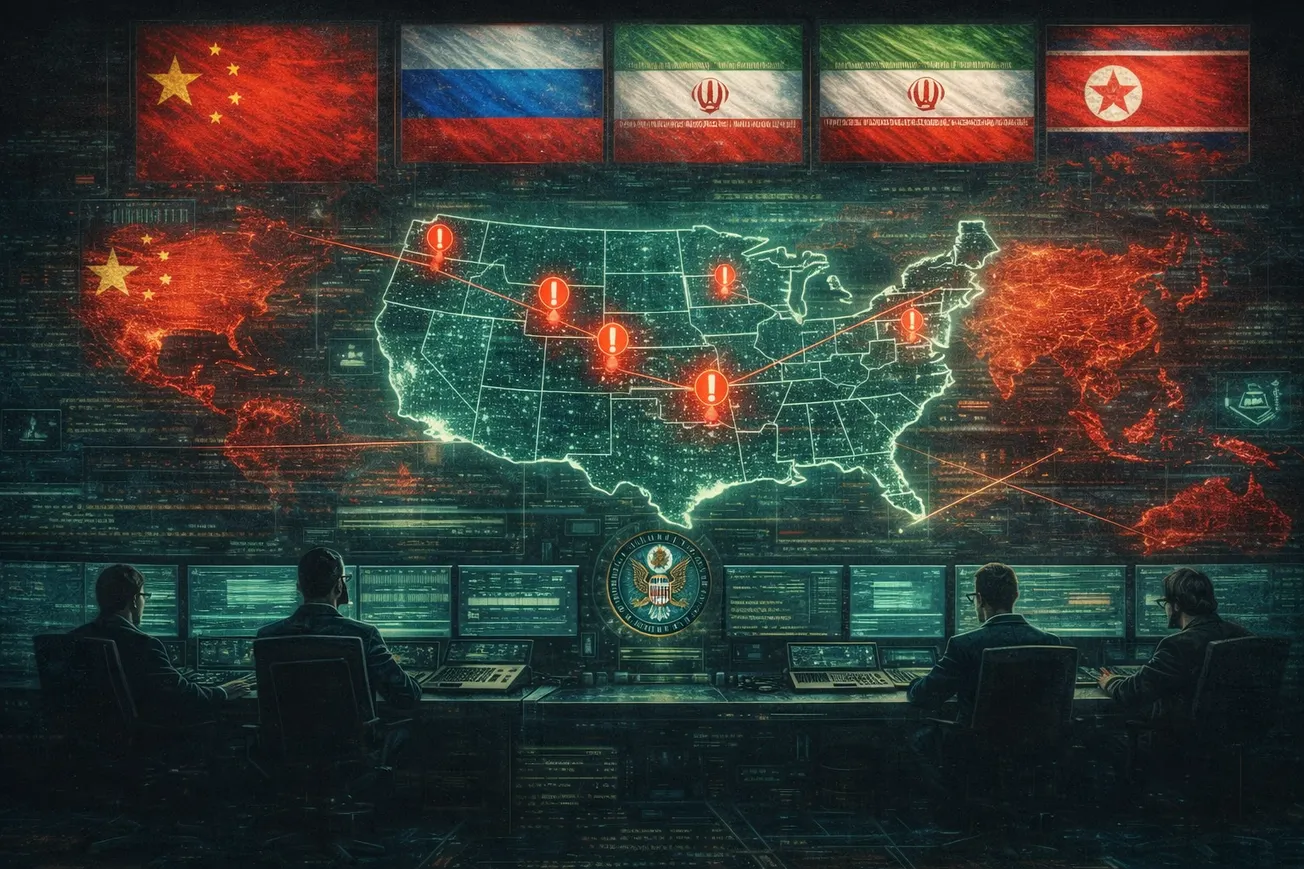
The Office of the Director of National Intelligence’s 2026 Annual Threat Assessment (ATA) highlights escalating risks to the U.S. from China, Russia, Iran, North Korea, and aggressive ransomware actors, emphasizing pre-positioning in key systems for potential disruption during crises.
Dragos CEO and Army National Guard Lt. Col. Rob Lee explains how Cyber Fortress brings together military units, infrastructure operators, and international partners to train for real-world cyberattacks against operational technology systems.
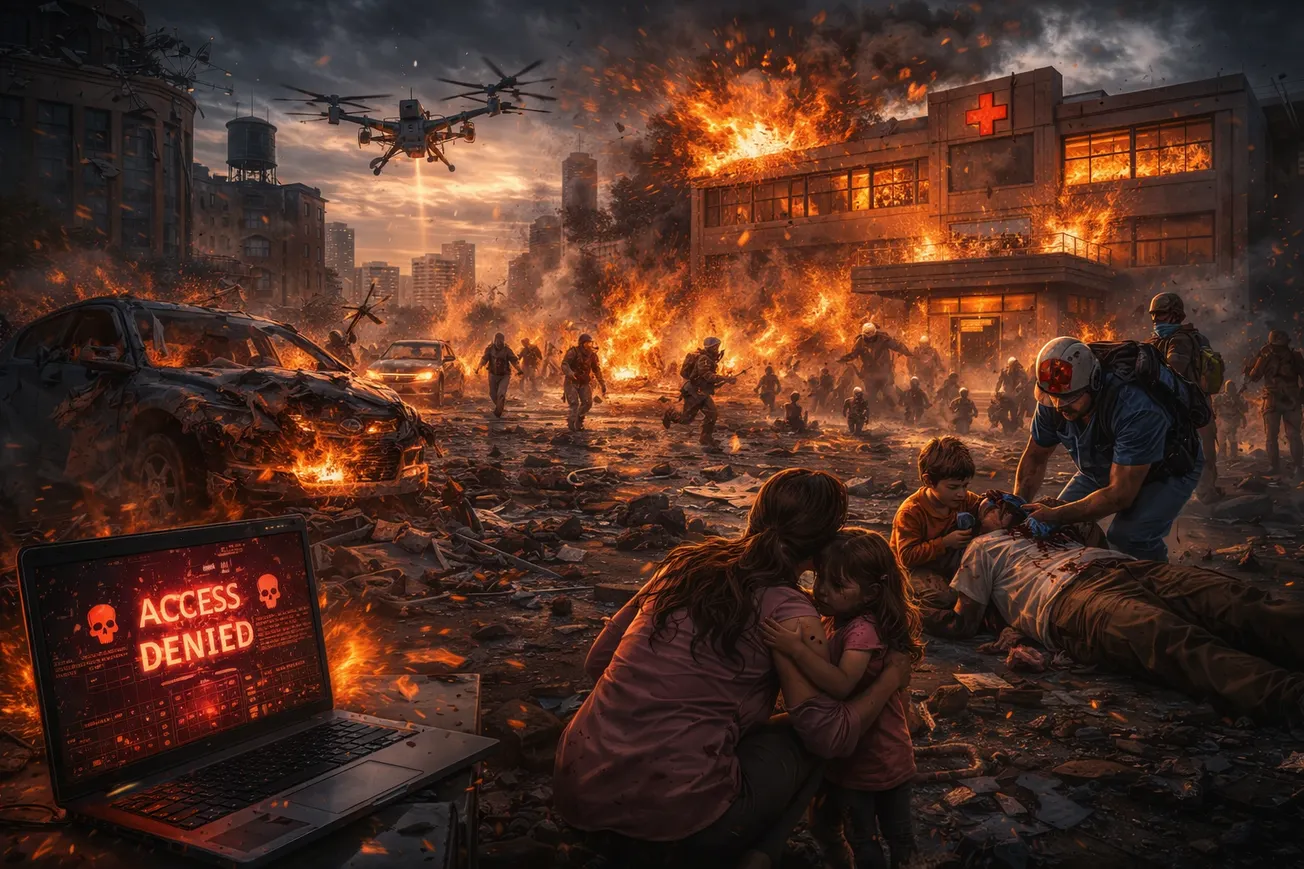
Dragos CEO and National Guard Lt. Col. Rob Lee warns that cyber operations targeting civilian infrastructure, from hospitals to water systems, are crossing a dangerous line the cybersecurity community must confront directly.
Dragos CEO and U.S. National Guard Lt. Col. Rob Lee on why he returned to military service and the role exercises like Cyber Fortress play in preparing both government and private sector operators for real-world cyber incidents, including those tied to the Iran War.
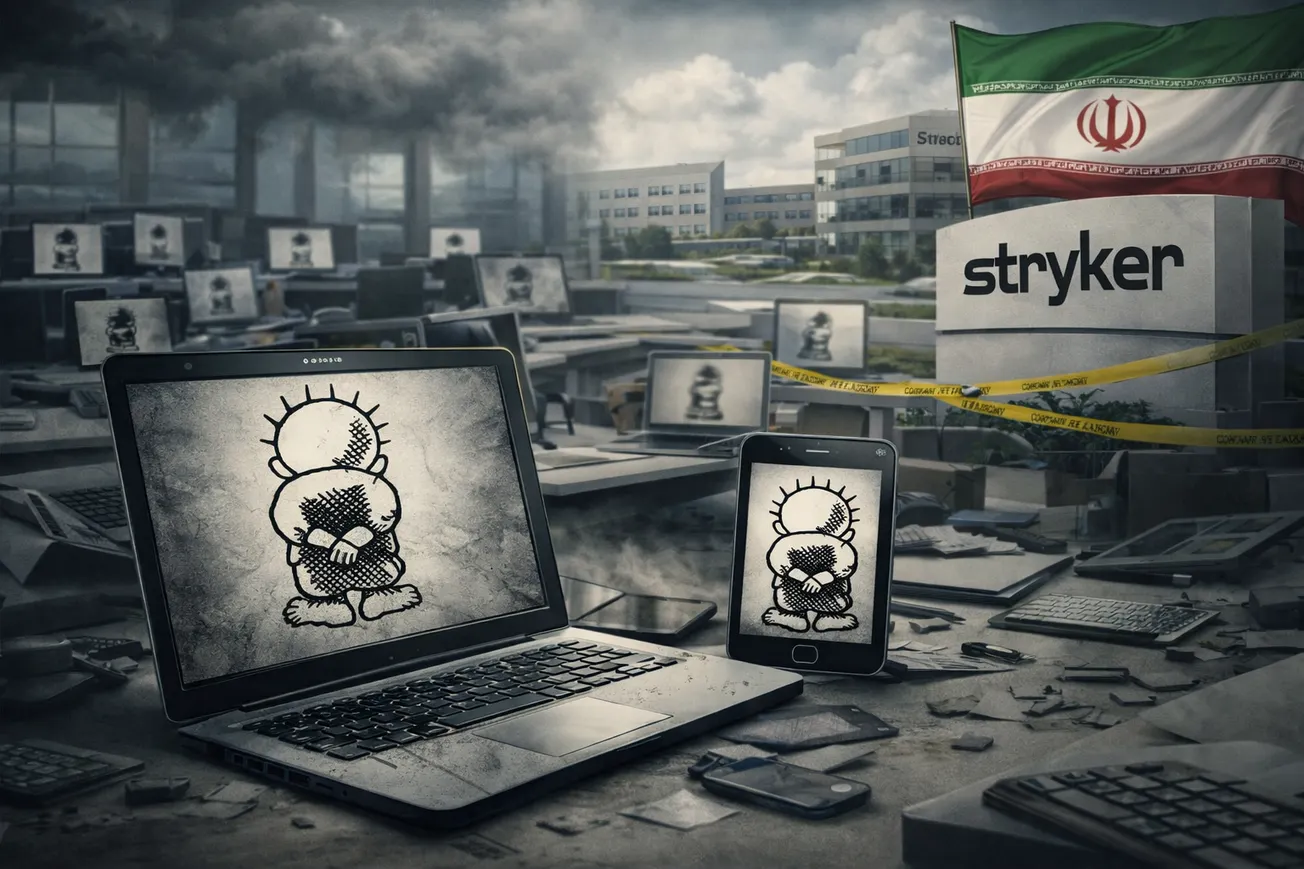
The bring-your-own-device (BYOD) dimension carries implications well beyond Stryker.
The Iran war offers a stark reminder that long-assumed boundaries between cyber operations and kinetic warfare are rapidly dissolving.
While Iranian drones were taking out Amazon's data centers in the Gulf, Tehran's hackers were already inside U.S. banks, airports, and defense networks — and they got there weeks before the first missile flew.
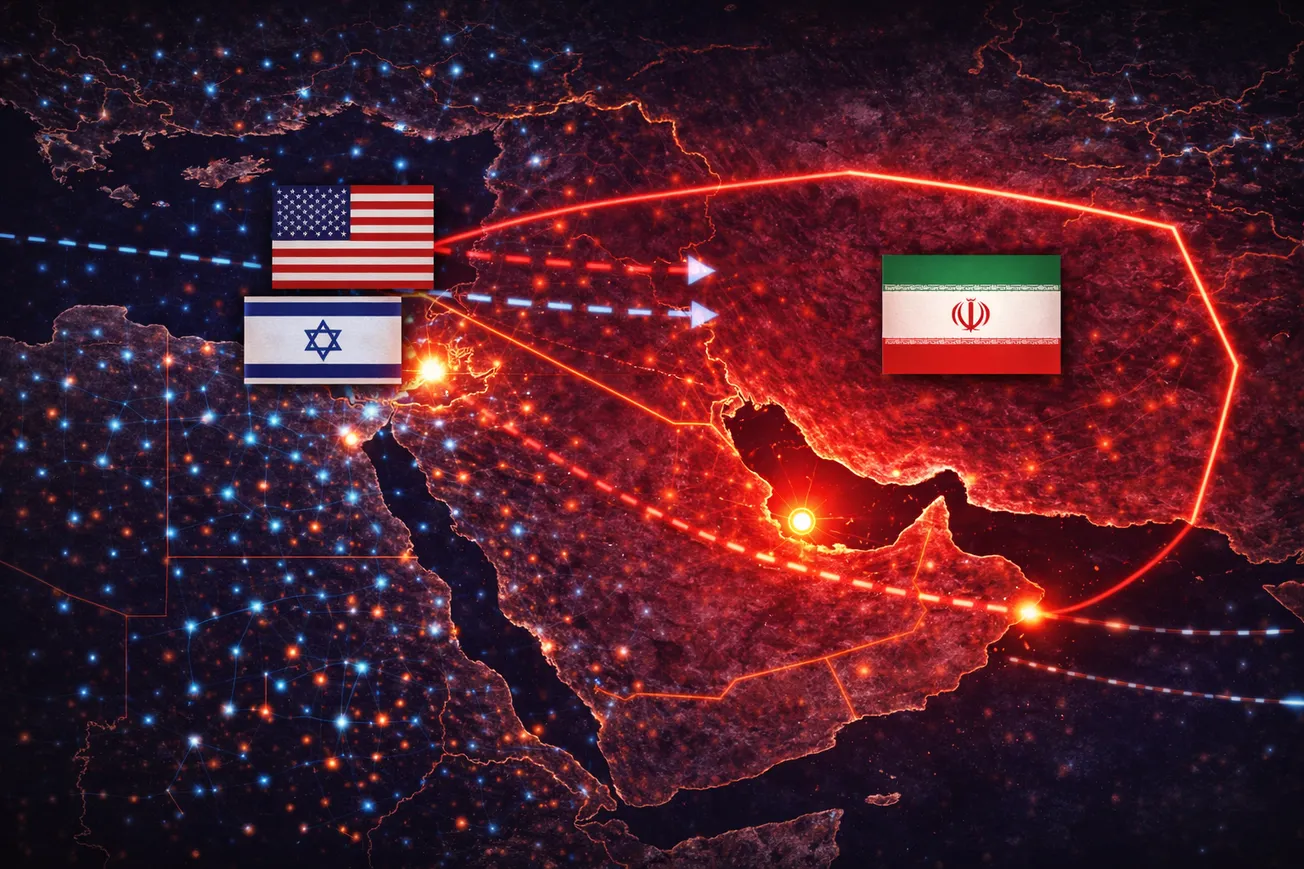
This list -- to be updated regularly -- contains sites that are ideal for those tracking cyber activity surrounding the US-Israel-Iran conflict.
As Iran's cyber forces regroup after the most devastating military strikes in the Islamic Republic's history, the U.S. agency built to defend the nation's critical infrastructure is operating with a skeleton crew, gutted leadership, and a funding crisis — at precisely the moment it is needed most.
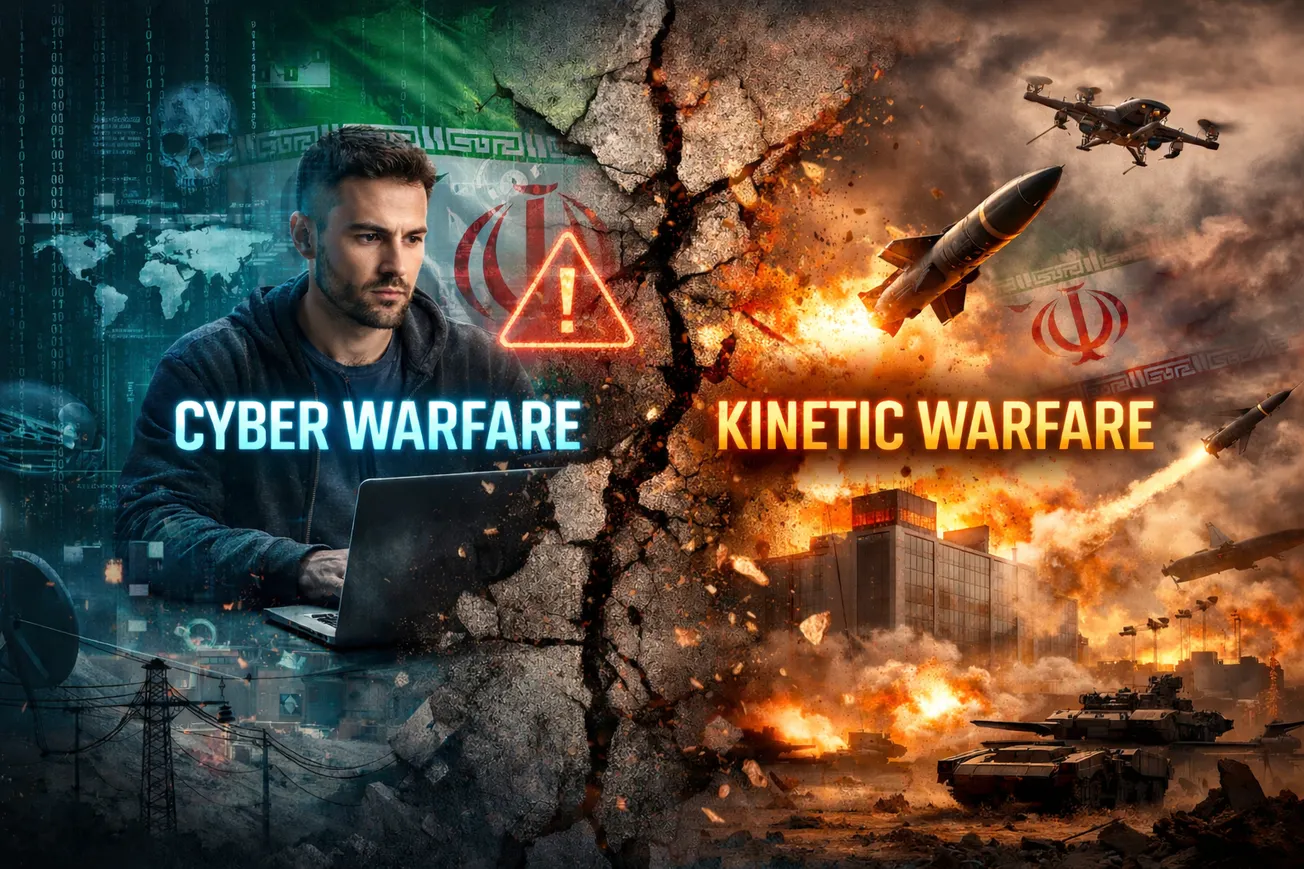
The escalating conflict with Iran underscores how the once-clear boundary between cyber and kinetic warfare has collapsed, forcing organizations to rethink cybersecurity as inseparable from physical and geopolitical risk.
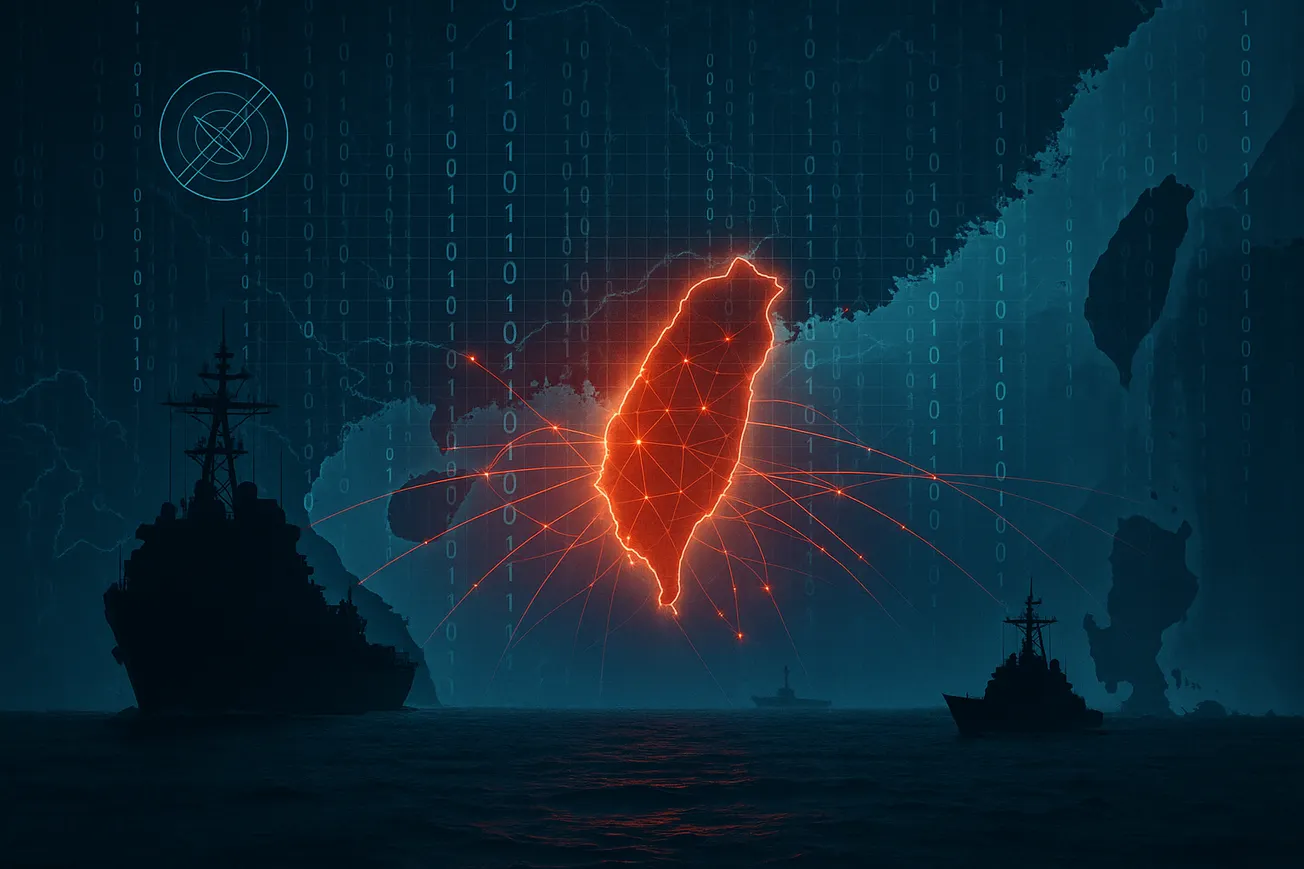
In a potential hot conflict over Taiwan sovereignty, cyber operations would be at the forefront, and aimed at slowing the U.S. military response, targeting military logistics systems, cloud-based sustainment platforms, naval communications, and intelligence, surveillance, and reconnaissance systems.